
Planting an Aromatic Border Along a Path
Why Scent Belongs Beside the Path
French gardeners have long understood something we are only beginning to embrace here: scent is a structural element, not an afterthought. Walk through any well-planted garden in Provence and you will find the aromatics — lavender, thyme, rosemary — lining the edges of paths, framing doorways and brushing against the legs of anyone who passes. It is a deliberate design decision, and it is one you can copy on almost any scale.
In a British garden, the path is the hardest-working part of the plot. We move along it constantly, between house and shed, gate and greenhouse. Run a ribbon of aromatics along that route and every journey becomes a small sensory event. Brush past lavender on a warm July morning and the oils released from the leaves will follow you the length of the garden.
Choosing the Spot: Sun, Drainage and Shelter
Lavender, thyme and rosemary all come from dry Mediterranean hillsides, so they want what many British gardens struggle to provide: full sun, sharp drainage and air moving freely around the foliage. Aim for at least six hours of direct sun in summer, ideally more. A south- or west-facing path is perfect; a north-facing one will leave plants soft, leggy and prone to rot.
Drainage matters far more than richness. Heavy clay is the enemy, so dig in plenty of horticultural grit and well-rotted organic matter, or build a low raised bed alongside the path — 20–25cm (8–10in) of gritty soil is ample. These plants also prefer neutral to slightly alkaline conditions, so if your soil is acidic, work in a handful of garden lime per square metre a few weeks before planting.
The Three Essentials for a British Border
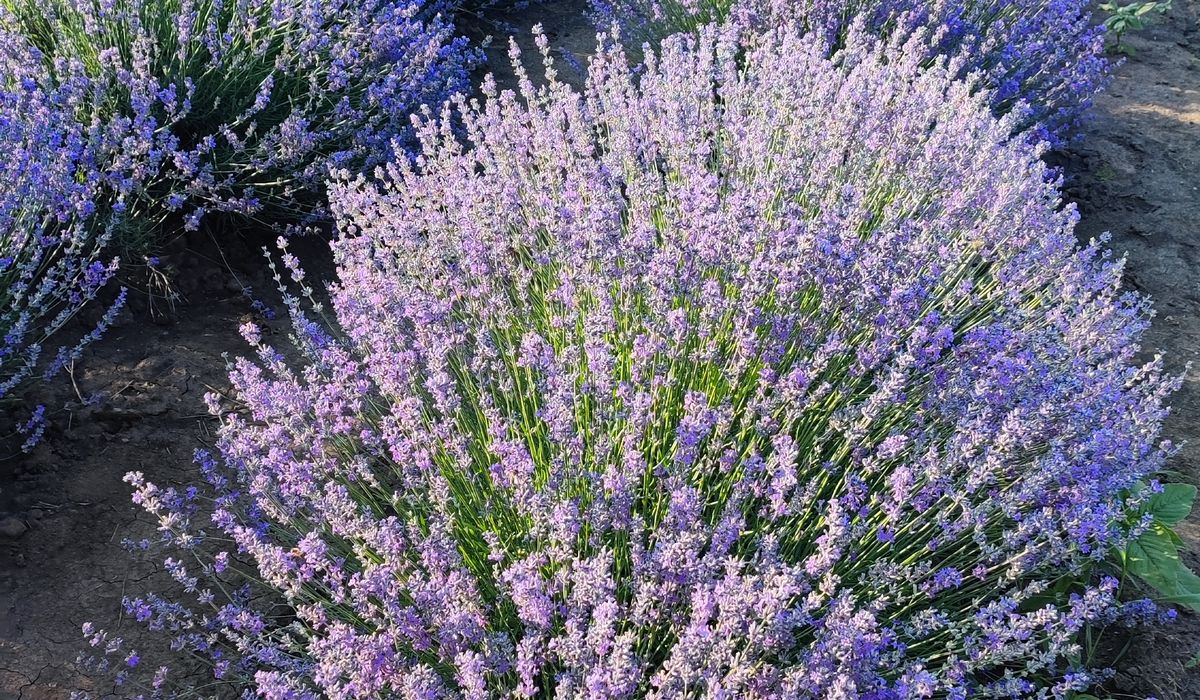
- Lavender — English lavenders (Lavandula angustifolia) are the hardiest and most fragrant. 'Hidcote' is compact with deep purple flowers; 'Munstead' is slightly smaller and flowers earlier. Both shrug off our winters far better than the tender French lavenders, which are best kept in pots you can move under cover.
- Thyme — common thyme and lemon thyme are the workhorses. Plant them right at the path edge so feet brush them constantly, and tuck creeping thymes into gaps between paving stones where they will release scent with every step.
- Rosemary — upright forms make a loose, informal hedge; prostrate forms will spill over a low wall or path edge. Rosemary dislikes winter wet far more than frost, so in cold, damp gardens plant it against a warm wall or keep it in a pot.
Spacing, Planting and Laying Out the Border
Space lavender 30–45cm (12–18in) apart, thyme 20–30cm (8–12in) and rosemary 60–90cm (24–36in). Leave a clear walking width of at least 60cm between the plants and the far edge of the path, so you are brushing past them rather than fighting through them. Plant in spring once the soil has warmed, or in early autumn on free-draining ground.
Set each plant slightly proud of the surrounding soil, with a generous handful of grit in the planting hole. Water in well, then mulch with 2–3cm of gravel or grit. This does two jobs: it keeps the collar of the plant dry — the rot that follows a wet winter kills more lavender than cold ever does — and it reflects heat and light back up into the foliage.
Keeping the Border Looking Good Through the Year
The most important job is pruning, and the most common mistake is doing it too late or too hard. Trim lavender lightly immediately after flowering, taking off the spent stalks and about 2.5cm of leafy growth. Never cut back into the bare, woody stems, because lavender will not regenerate from old wood. Thyme needs only a trim after flowering to keep it bushy, and rosemary should be clipped lightly in spring or after flowering to hold its shape.
Resist the urge to feed generously. A light dressing in spring is plenty; rich soil produces floppy, short-lived plants with far less scent. In winter, focus on wet rather than cold — raise the soil level, add grit, and move any container-grown rosemary into a sheltered corner.
Making Space to Sit and Breathe
The French rarely plant an aromatic border without somewhere to sit at the end of it. A simple bench set where the prevailing breeze carries scent towards you, rather than away, will repay the investment many times over. Gravel is the ideal surface beneath: it echoes the plants' native ground, warms quickly and makes a satisfying sound underfoot.
Fill any gaps with plants that enjoy the same conditions — santolina, hyssop, winter savory, catmint and silvery artemisia all work well, and a few alliums will carry the border through early summer. Against warm stone or a wall painted in soft grey-green, the effect is quietly, unmistakably French. Above all, plant more than you think you need: the pleasure of an aromatic border is cumulative, and a path that smells of the Mediterranean in the middle of an English afternoon is worth every handful of grit you dig in.


A well-built gravel path creates structure and helps drainage. Prepare the base carefully and choose rounded stone for an elegant finish.
Compact climbers suit walls and pergolas without overwhelming tight spaces. Look for repeat-flowering varieties with scent and good disease resistance.
A potager combines vegetables, herbs and flowers in orderly beds. Use low box hedging and gravel paths to bring French elegance to limited space.
Terracotta ages beautifully but can crack in hard frost. Choose frost-resistant clay or move pots under cover during the coldest spells.