
Laying a Simple Drip Irrigation System
Why drip irrigation suits a French-inspired garden
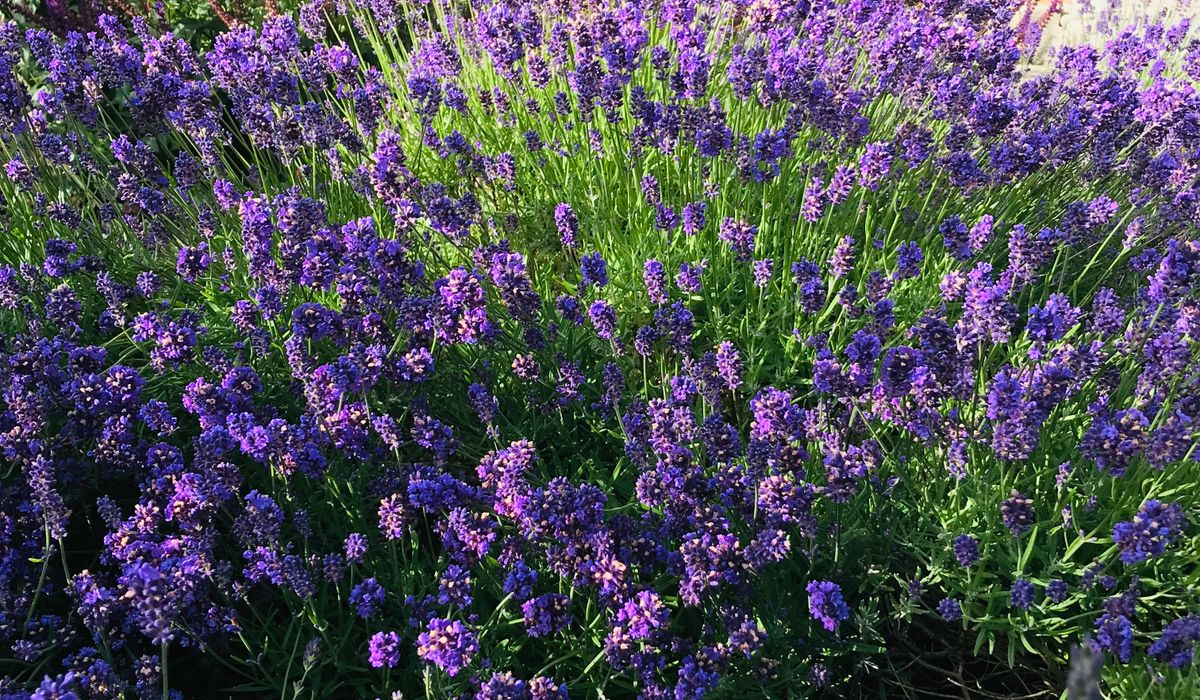
French garden design borrows its charm from structure rather than abundance: clipped box, gravel walks, lavender spilling over a stone edge, terracotta pots on a warm terrace. It looks effortless, but the planting that gives it that character — lavender, rosemary, santolina, thyme, olive — is largely Mediterranean, and Mediterranean plants hate being watered from above. Wet foliage invites mildew and grey mould, and much of the water you spray simply evaporates before it reaches the roots.
Drip irrigation solves both problems at once. It delivers water slowly, at root level, so leaves stay dry and every drop goes where it is needed. It is also far kinder to a British summer routine. If you have ever spent a July evening trailing a hose around pots and beds while the light goes, you already know the appeal of turning a tap and walking away.
Plan your zones before you buy anything
Before ordering a single fitting, sketch the garden on a sheet of paper and mark what needs water and how much. Then divide it into zones — small groups of plants with similar thirst that can be watered together. A typical French-inspired plot might give you three or four:
- Terracotta pots and window boxes on the terrace, which dry out fastest and will want their own run
- A lavender or rosemary hedge along a path or gravel margin, which needs very little
- A potager or raised beds with tomatoes, courgettes and herbs, which need a good deal
- A wall climber — wisteria, jasmine, a climbing rose — with a single line to its base
Keeping greedy plants apart from drought-lovers is the single most useful thing you can do. Stick one zone on the same timer setting as a thirsty one and you will either drown the lavender or starve the tomatoes.
The kit you actually need
A simple system is genuinely simple. For most British gardens, you will want:
- An outdoor tap with a standard thread, plus a backflow preventer so garden water cannot find its way back into your household supply
- A battery or mains timer that screws onto the tap
- A pressure regulator — around 2 bar is right for most domestic kits
- 13mm supply tubing for your main runs, and 4mm micro tubing for spurs to individual pots
- Drippers rated at 2 or 4 litres per hour, plus stake-mounted emitters for pots
- Inline drip line (tubing with built-in emitters every 30cm) for long rows and raised beds
- A hole punch, ground stakes, end caps, straight and T connectors, and a small inline filter
None of this is expensive, and the whole lot can be assembled in an afternoon.
Laying the line: a tidy, invisible job
Unroll the 13mm tubing and leave it in the sun for half an hour so it relaxes and stops kinking. Run the main line around the perimeter of each zone, tucked under gravel, bark mulch or the edge of a border where it will disappear from view. Keep a single run to roughly 30 metres; beyond that, pressure drops and the far end of the row gets noticeably less water.
Once the main line is staked down, punch holes and push in your 4mm spurs or emitters. Position each dripper 10–15cm from the stem rather than right against it, so water spreads through the root zone instead of pooling at the base of the plant. For rows of lavender or vegetables, inline drip line laid along the row is quicker and neater than individual drippers.
Before you fit the end caps, briefly run the water through the open line to flush out grit and swarf. Then cap it, open the tap and walk the garden checking that every emitter is actually dripping.
Timer settings for British weather
Water early — between five and seven in the morning is ideal. Less is lost to evaporation, and foliage has time to dry before evening. Water deeply and less often: two good sessions a week of 20–30 minutes per zone will build deeper, more resilient roots than a daily sprinkle.
Our summers being what they are, a rain sensor or a quick glance at the forecast will save you from watering during a wet spell. Push a finger 10cm into the soil before adjusting anything; if it is damp down there, leave it alone. In a genuine heatwave, add an extra session rather than lengthening the existing one. Ease off in September. And if a hosepipe ban is announced, check with your water company — many permit drip irrigation because it uses so little, but the rules vary.
Keeping emitters clear through dry spells
Blockages are the one real weakness of drip systems. Limescale in hard water areas, grit, algae and even ants can clog an emitter, and the first sign is usually a sad plant sitting beside a thriving neighbour.
Build a short routine: flush every line each spring by removing the end caps and running the tap for a minute; check emitters monthly through summer; and if you spot a dry patch, unscrew the dripper, soak it overnight in white vinegar and refit it. Replacements cost pennies, so keep a handful spare in the shed. Finally, mulch over the tubing — it hides the line, slows evaporation and keeps the plastic from baking in the sun. Do that, and your French-inspired garden will look after itself while you sit on the terrace with a glass of something cold.


Compact climbers suit walls and pergolas without overwhelming tight spaces. Look for repeat-flowering varieties with scent and good disease resistance.
A potager combines vegetables, herbs and flowers in orderly beds. Use low box hedging and gravel paths to bring French elegance to limited space.
Terracotta ages beautifully but can crack in hard frost. Choose frost-resistant clay or move pots under cover during the coldest spells.
Light pruning after flowering keeps lavender compact and prevents woody growth. Avoid cutting into old wood, which may not regrow reliably.