
Choosing Climbing Roses for a Small Courtyard
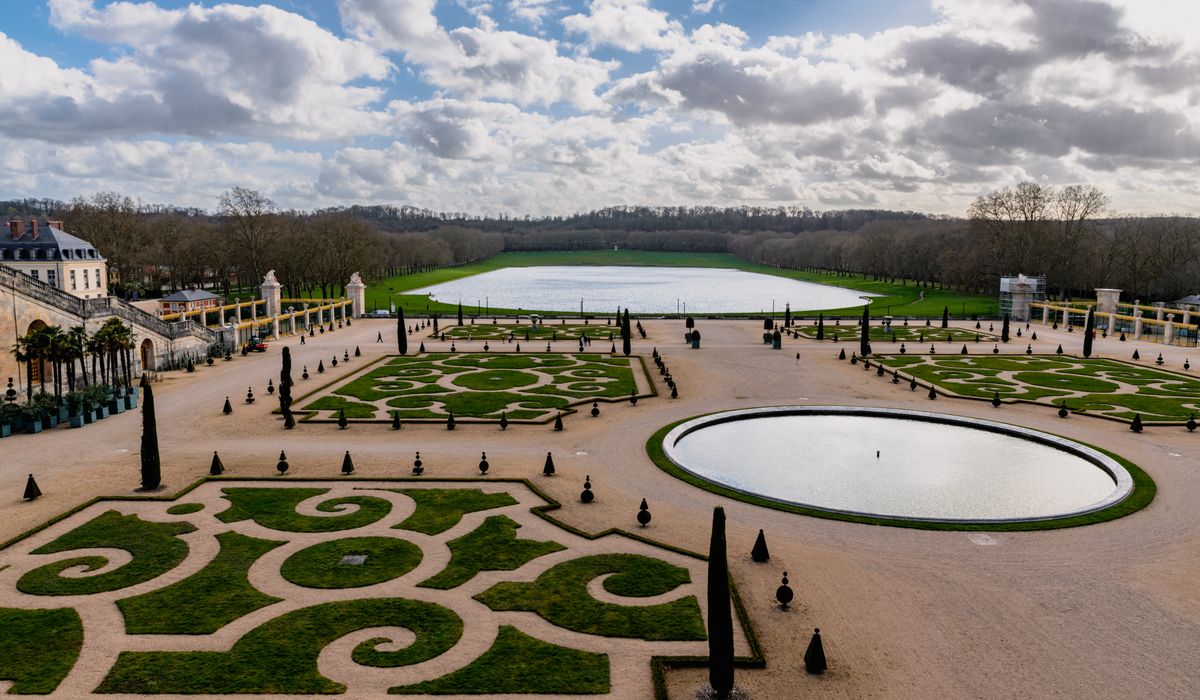
The French Courtyard Ideal, Scaled for British Homes
There is a particular pleasure in a small courtyard that borrows its manners from rural France: gravel underfoot, a table just large enough for two, a zinc planter or two, and — most importantly — a rose scrambling up a warm wall. In tight spaces, that rose is not a luxury but a structural necessity. It draws the eye upward, softens hard boundaries and carries scent exactly where you sit. The challenge is choosing a climber that behaves itself. In a courtyard of, say, four metres by five, a vigorous rambler will swallow the space in a season. What you want instead is a compact climber: one that stays within two to three metres, repeats its flowering, and does not demand a laboratory of sprays to stay healthy.
Climbers, Ramblers and the Question of Scale
The distinction matters more in a courtyard than anywhere else. Climbing roses are generally stiffer, shorter and more inclined to flower repeatedly. Rambling roses are the long, flexible, once-flowering giants — wonderful on a barn, disastrous on a bijou patio wall. A climbing rose might reach two and a half metres against a sheltered wall; a rambler may hit six and resent every attempt to keep it smaller. If your courtyard is enclosed on three sides and you can see the whole garden from the kitchen sink, a climber is almost always the kinder choice. It will look deliberate rather than rampant.
What to Prioritise in a Courtyard Climber
When space is limited, every plant has to earn its place. For a courtyard rose, I would weigh these qualities in roughly this order:
- Repeat flowering — a rose that blooms once in June and then sulks is a poor use of a south-facing wall. Look for descriptions that mention flowering from early summer into autumn.
- Scent — in a small space, scent is not a bonus; it is the point. Aim for at least one strongly perfumed variety near a door or seating area.
- Disease resistance — blackspot and mildew are miserable in still, humid courtyards. Modern varieties bred for resistance will save you hours and keep the leaves clean.
- Compact habit — a mature height of two to three metres is ideal. Anything much above that will need constant, joyless pruning.
- Flower colour that works with your scheme — soft apricots, creams and pinks sit easily with French grey and terracotta; deep crimson adds drama against pale stone.
Varieties That Earn Their Keep
A few names come up again and again when gardeners discuss courtyard-scale climbing roses. 'Cécile Brünner', despite its delicate appearance, is a tough little climber with small, sweetly scented pink blooms and a long season. 'Madame Alfred Carrière' is more relaxed in habit, nearly thornless, and generous with creamy white, fragrant flowers from early summer onwards. 'Zéphirine Drouhin' offers deep pink blooms on almost thornless stems — a blessing in a narrow passage. Among the modern English roses, 'Gertrude Jekyll' and 'Wollerton Old Hall' both combine strong scent with repeat flowering and good health. For something paler and more airy, 'Climbing Iceberg' is hard to fault. None of these will need more than a modest obelisk or a few wall wires to look intentional.
Planting and Training in Tight Spaces
Courtyard planting is unforgiving. The soil is often poor, dry and full of builder's rubble, so take the time to improve it. Dig a hole at least twice the width of the root ball, fork in well-rotted manure or garden compost, and add a handful of mycorrhizal fungi if you can find it. Plant with the graft union a few centimetres below soil level to encourage strong basal growth. Water thoroughly, then mulch with bark or compost to conserve moisture.
Training matters as much as variety. Fix horizontal wires to the wall at 30–40 centimetre intervals and tie in the shoots as they grow. Bending the stems towards horizontal encourages flowering shoots along their length rather than one sad tuft at the top. On a pergola, wind the rose around an upright post in a loose spiral. In a courtyard, keep the plant to three or four main stems and remove anything that shoots into the walking space.
Pruning and Seasonal Care Without Fuss
Prune in late winter, when the worst of the frost has passed but before growth begins in earnest. Shorten the previous year's flowering shoots to two or three buds from the main framework. Remove dead, diseased or crossing stems entirely. Feed with a rose fertiliser in spring and again after the first flush of flowers, and keep the plant well watered in dry spells — pots dry out far faster than borders. A thick mulch will suppress weeds and keep the roots cool. If blackspot appears, pick off affected leaves and clear fallen ones from the ground; good air circulation and a healthy plant will do more than any chemical.
In the end, a courtyard rose is a patient investment. Choose a compact, scented, repeat-flowering climber, give it a decent start and a simple framework, and it will reward you for years — softening the walls, scenting the evening air, and making even the smallest British courtyard feel as though it has borrowed a little of the French countryside.


Terracotta ages beautifully but can crack in hard frost. Choose frost-resistant clay or move pots under cover during the coldest spells.
Light pruning after flowering keeps lavender compact and prevents woody growth. Avoid cutting into old wood, which may not regrow reliably.
Parterres rely on clear geometry and crisp edges. Plan the pattern on paper first, then mark lines with sand before planting box or yew.
A dry stone wall provides shelter, drainage and wildlife habitat. Choose local stone where possible and lay courses with a slight backward lean.