
Creating a French-Style Courtyard with Limited Space
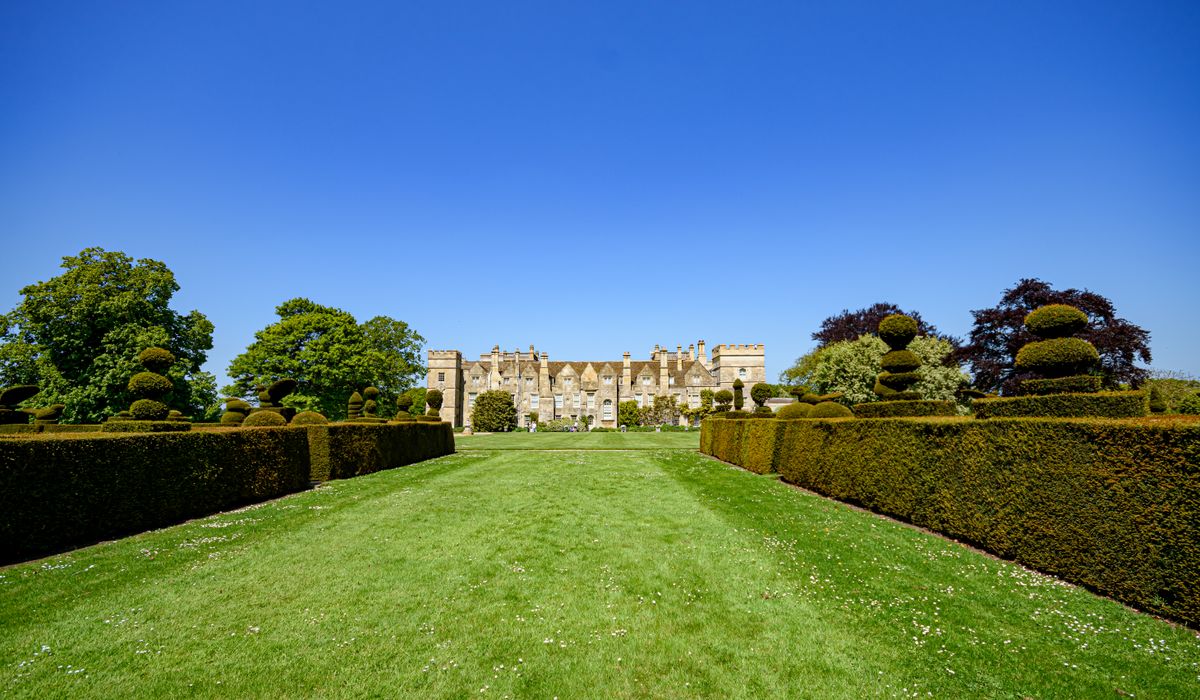
A French-style courtyard can work beautifully in a British garden, even when you are working with a modest patch of ground. The trick is to treat the space as an outdoor room rather than a scaled-down version of a large garden. Symmetry, muted colours and simple, honest materials do most of the heavy lifting, and you can build up the look gradually over a couple of seasons.
Start with the Geometry of the Space
French courtyard design begins with order. Before you buy a single pot, decide on a strong shape and repeat it. In a small space, the safest approach is a square or rectangle laid directly on the axis of the house, with a central feature marking the crossing point. A courtyard measuring roughly four by five metres is plenty; anything smaller simply needs a tighter, more disciplined layout.
Draw the plan on graph paper at a scale of 1:50. Mark the doors, the windows and the main sight line from the kitchen or sitting room, because the view from inside matters more than the view from the back fence. If your space is awkward, an L-shaped or triangular courtyard, use gravel or paving to imply a rectangle and let planting soften the leftover corners. Symmetry does not have to mean identical planting on both sides; it means balance, so a clipped bay on one side can be answered by a standard rosemary on the other.
Choose Muted, Honest Materials
Colour is where British gardens often go wrong. Bright bedding and primary-coloured furniture fight the calm that defines French courtyards. Stick to a palette of limestone, aged terracotta, sage green, lavender grey and off-white, and let the planting carry the only real colour.
- Paving: pale limestone or reclaimed York stone, laid in a simple running bond or a square grid. Avoid busy patterns.
- Gravel: 10mm pea gravel in a warm buff tone for the margins, laid over a weed-suppressing membrane.
- Terracotta: unglazed pots in classic shapes, allowed to weather. Frost-proof versions are essential in most of the UK.
- Wood: weathered oak or teak for seating and low gates, never shiny varnish.
- Metal: dark grey or black ironwork for a small gate, an arch or a wall bracket.
Keep the number of materials to three or four. A courtyard that uses limestone, gravel, terracotta and one painted metal accent will look considered; one that adds decking, brick and plastic will look muddled.
Use a Fountain as the Focal Point
A small fountain gives a courtyard its centre and its sound. You do not need a grand basin. A wall-mounted lion's head spout over a half-barrel, a simple tiered stone fountain about 60cm across, or a low circular bowl with a gentle bubbler will all do the job.
Position it on the main axis, ideally visible from the house. If the space is too tight for a freestanding feature, put the fountain against the far wall and treat it as a living piece of art. Remember practicalities: a small pump needs a nearby outdoor socket or a solar model, and you should be able to drain and cover the feature before the first hard frost. In colder parts of the country, store the bowl indoors from November to March.
Plant with Restraint and Repetition
French courtyards rely on clipped evergreens and a limited plant list. Repetition is what makes a small space feel designed rather than decorated.
- Structural evergreens: box, yew or Japanese holly clipped into cones, balls or low cubes. Plant them in pairs to frame the fountain or the seating area.
- Standards: bay, rosemary or olive in terracotta pots, used to flank a doorway.
- Scented fillers: lavender, catmint and salvia, planted in narrow borders or troughs.
- Climbers: a single climbing rose or jasmine on a wall where space allows, kept well pruned.
British weather means drainage matters. Add plenty of horticultural grit to the soil in pots, raise containers on feet, and choose terracotta that is labelled frost-resistant. Clip box in late May and again in early September, and feed pots fortnightly through the growing season with a balanced liquid feed.
Furnish It Like a Room
Bistro furniture is the finishing touch. A small round metal table with two folding chairs suits a courtyard of four square metres or so, and it can be moved indoors or into a shed over winter. Choose dark grey, black or sage green rather than bright white, which shows every mark.
Arrange the table off the central axis, tucked to one side, so the fountain still reads as the focal point. Add a wall-mounted lantern or two, a simple zinc planter for herbs by the door, and perhaps a small stone bench along the shadiest wall. Avoid clutter: cushions and candles should be brought out for an evening and taken back in afterwards.
With a clear geometric plan, a restrained palette, one good water feature and furniture scaled to the space, a small British courtyard can feel unmistakably French. The discipline of the design is what makes the limited footprint feel generous rather than cramped.


Basil, parsley and mint thrive in containers close to the kitchen. Use good compost and water regularly, especially during warm spells.
Autumn is ideal for planting shrubs and perennials while soil remains warm. Clear weeds, add compost and mulch after planting to retain moisture.
A homemade compost bin keeps waste out of landfill and feeds your soil. Use untreated timber and leave gaps for air to circulate.
Choose nectar-rich flowers such as salvia, catmint and rudbeckia. Plant in generous groups and avoid double blooms that offer little food.