
Preparing Garden Beds for Autumn Planting
Why Autumn Is the Best-Kept Secret in the Planting Calendar
There is a moment in early September when the heat finally leaves the air but the soil is still warm to the touch, and that moment is worth more to a gardener than any amount of spring enthusiasm. French gardeners have understood this for centuries — the potager is cleared and re-fed in autumn, bare-root roses and fruit trees go in, and the whole plot is quietly reset while the rest of us are still admiring the dahlias.
In Britain, that window usually stretches from the first week of September to late October, occasionally into November in milder western counties. Soil temperatures need to stay above roughly 7°C for roots to keep growing, so the goal is simple: get plants into the ground while the earth is still actively working on your behalf. Roots establish, settle and knit into the surrounding soil, and by the time spring arrives you have a plant that is already at home rather than one still finding its feet.
Clear the Ground Properly — It Pays You Back Twice
Before anything goes in, the bed needs to be genuinely clean. Autumn digging is unfashionable in some circles, but there is no arguing with the value of removing weeds thoroughly now, when they are slowing down and easier to catch. Leave them and you will spend next spring pulling them out from around established plants, which is far more fiddly.
- Lift perennial weeds by the root. Dandelion, bindweed, ground elder and couch grass all need the whole root out. Fork them up gently rather than chopping through them, because every fragment left behind becomes a new plant.
- Skim off annual weeds. A sharp hoe or a draw hoe works well on a dry day; leave the tops on the surface to wilt and they will add a little organic matter rather than seeding themselves.
- Fork over compacted ground. Go to the depth of the fork's tines and lever rather than turn. This opens drainage without destroying the soil structure you have spent years building.
- Remove stones, rubble and old roots from the top 15cm or so, especially if you are planting anything with a fleshy crown, such as lavender, rosemary or bearded iris.
Feed the Soil Before You Feed the Plant
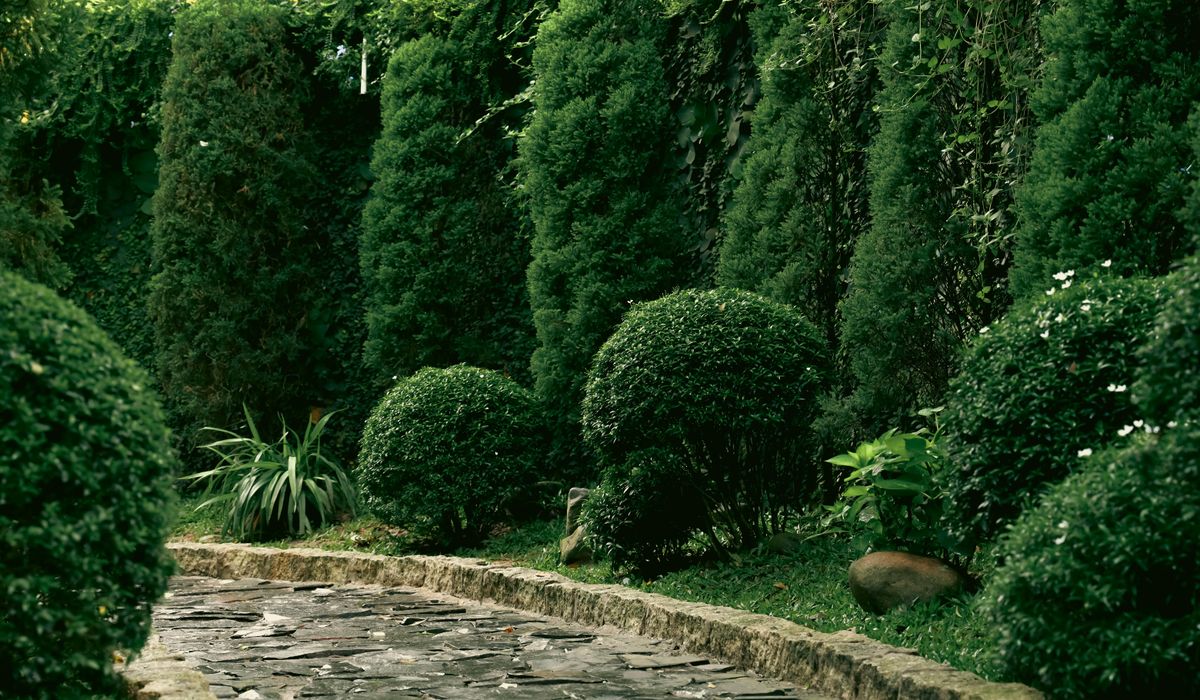
French garden design leans heavily on structure — clipped box, gravel paths, an allée of hornbeam — but beneath all that geometry is soil that has been mulched, manured and improved for generations. The lesson for a British plot is that preparation matters more than any clever planting combination.
Spread a generous 5–7cm layer of well-rotted garden compost or leafmould across the bed and fork it into the top 10–15cm. If your soil is heavy clay, which describes a great many British gardens, add horticultural grit at roughly a bucketful per square metre at the same time. Sandy soils benefit from extra compost and a little spent mushroom compost to hold moisture. Do not add fertiliser at this stage; the roots are settling, not surging, and you would simply be feeding whatever weeds are left.
Planting Well Is Mostly About the Hole
Autumn planting is forgiving, but the details still count. Dig a hole roughly twice the width of the rootball and the same depth, so the plant sits at the level it was growing before. Tease out circling roots on container-grown shrubs, and for bare-root plants, spread the roots over a small mound of soil at the base of the hole.
- Water the plant in even if rain is forecast — a thorough soak settles soil around the roots and removes air pockets.
- Space with maturity in mind. A lavender hedge wants 30–40cm between plants; a mixed border of perennials such as salvia, nepeta and hardy geranium will look thin now and full by June if you allow 45cm.
- Firm gently with your heel, then rake the surface level. No stamping — you want contact, not compaction.
- Label as you go. Autumn plantings have a habit of disappearing under leaf litter by December.
Mulch After Planting — the Single Best Investment
Once everything is in and watered, mulch the whole bed to a depth of 5–8cm with bark chips, well-rotted manure or leafmould. This is the step most people skip, and it is the one that carries you through winter. Mulch retains moisture through dry autumn spells, suppresses weed seedlings, insulates roots against hard frost and slowly breaks down into the soil beneath.
Keep it clear of stems and crowns — a small gap of bare soil around each plant prevents the collar rot that can kill lavender, rosemary and many Mediterranean herbs. On a French-style gravel bed, a thin layer of grit over the soil achieves the same result and suits drought-tolerant plants beautifully.
A Season to Slow Down and Look Ahead
Autumn gardening has a gentler rhythm than spring. There is no urgency to fill every gap, and the cooler weather means you can work steadily for a whole afternoon without wilting. Use that time to think about what you actually want from the space next year — a scented path, a herb parterre, a corner for sitting out with a glass of something while the light goes.
Plant it now, mulch it well, and let the winter do the rest. Come March, you will have the quiet satisfaction of watching a garden that got a head start on everyone else's.


Choose nectar-rich flowers such as salvia, catmint and rudbeckia. Plant in generous groups and avoid double blooms that offer little food.
Mirrors can make a small courtyard feel larger, while warm lighting extends evening use. Weatherproof fixtures and subtle placement are essential.
Lavender, thyme and rosemary release scent when brushed against. Plant them close to paths and seating areas for maximum enjoyment.
Drip irrigation saves time and directs water to plant roots. Connect a timer and check emitters regularly to avoid blockages during dry spells.